

As an educator, I have the privilege of spending a great deal of time with middle and high school students. I see their personalities develop, their friendships change, their confidence grow, and, unfortunately, I also see the ways that social media can affect them. For years, my older students have warned me about the harm that social media has caused them. As a parent, I have spent countless hours worrying about my own daughter, and about when to let her have social media. This topic is one that I place a significant amount of importance on; my daughter’s safety is my number one concern.
Simply put, social media is part of the world our children are growing up in. For many students, it is how they communicate with friends, share their interests, follow sports and activities, and stay connected outside of school.
But as parents and educators, we need to be honest about something: our children are being exposed to an online world that they are not always emotionally or developmentally prepared to navigate.
The concern isn’t that every child who uses social media will have a negative experience. Many don’t. The concern is that when something does go wrong, the consequences can be significant, and sometimes we don’t realize there is a problem until our child is already struggling.
The Impact on Self-Esteem
 One of the biggest concerns I see is the effect social media can have on a young person’s confidence.
Middle school is already a difficult time. Students are figuring out who they are, where they fit in, what they look like, who their friends are and what other people think of them. High school brings many of those same pressures, and often with even more intensity.
Now imagine experiencing all of that while carrying around a device that provides a constant stream of other people’s lives. Students see pictures of people who appear more attractive, more popular, more athletic, more successful or simply happier. What they don’t see is everything that happened before the picture was taken, or how carefully that person’s online life has been edited and curated.
In an online world pioneered by the Kardashians, Logan and Jake Paul, James Charles, and countless “Instagram Models”, children can easily begin comparing their real life to someone else’s highlight reel.
And then there are likes, comments, views and followers. For a young teenager, these numbers can begin to feel like a measurement of their social value. A post that doesn’t receive many likes can feel like rejection. Being left out of a group chat can feel like being left out of school. Seeing friends together without them can create genuine feelings of exclusion.
The U.S. Surgeon General has reported that 46% of adolescents say social media makes them feel worse about their body image.
As adults, most of us understand that a number on a screen does not determine someone’s worth. Our children are still learning that.
What Are They Actually Seeing?
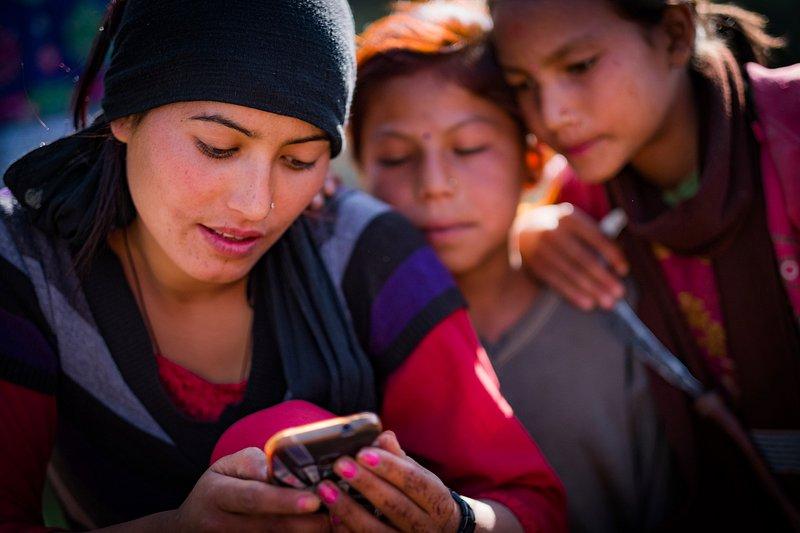 A student may open an app to watch a funny video or see what a friend posted and, within minutes, encounter sexualized content, graphic images, violence, drugs, alcohol, eating-disorder content, self-harm or other topics that they may not be emotionally prepared to process. And once a child watches or interacts with certain types of content, algorithms can continue recommending similar material. That means a child can be exposed to increasingly inappropriate content without intentionally looking for it.
As a teacher, this is one of the reasons I encourage parents to be curious about what their children are actually seeing online. Asking, “What apps are you using?” is not enough.
Ask:
“What are you seeing?”
“Who are you talking to?”
“Has anything ever popped up that made you uncomfortable?”
And perhaps most importantly: “If you ever see something inappropriate, will you come to me without worrying that you’re going to get in trouble?”
That last question matters.
Bullying Doesn’t End When School Ends
 One of the biggest changes educators have seen over the years is that bullying no longer necessarily ends when a student walks out of the school doors. Years ago, a child who was having a difficult day at school could come home and have a break. Today, the phone can bring the problem home with them.
A mean comment can be posted in seconds. A picture can be shared with an entire grade level. A group chat can become a place where one student is deliberately excluded or humiliated. Rumors can spread before an adult even knows there is a problem. And unlike traditional bullying, cyberbullying can follow a child into their bedroom.
I have seen students become consumed by what is happening online. They worry about who is talking about them, who has seen something, why someone hasn’t responded, or what someone posted about them. Sometimes what looks like a simple disagreement between students is much bigger once social media is involved.
And children don’t always tell us.
They may be embarrassed. They may be afraid their parents will take away their phone. They may think adults won’t understand. Or they may believe that telling someone will make the situation worse. That is why our children need to know that their parents are a safe place to go when something happens online.
Social Media Changes the Social Experience
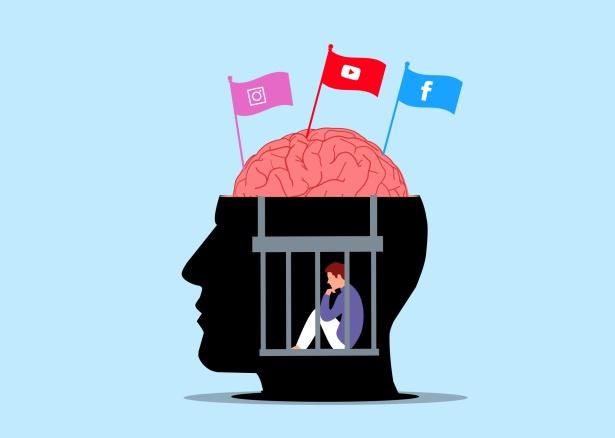 Perhaps the biggest issue isn’t one particular post or one inappropriate video. It’s the constant exposure.
Students wake up and immediately check their phones. They can scroll during and between classes, during lunch, after school and before bed. They can spend hours watching other people live their lives while simultaneously worrying about how their own life appears to everyone else.
The American Psychological Association notes that adolescence is a particularly important developmental period because young people become increasingly sensitive to peer feedback and social rewards while the systems involved in self-control and decision-making are still developing. In other words, we are asking children who are still developing judgment and emotional regulation to navigate an environment specifically designed to keep them engaged. That is a difficult combination.
So What Can Parents Do?
 As a parent and an educator, I don’t believe the answer is necessarily to throw away every phone or completely eliminate technology. Technology is a part of our children’s future, and they need to learn how to use it responsibly. They need to make mistakes to learn, but these mistakes can have very serious and even lifelong consequences; it is our job as parents to help mitigate this risk.
I do believe we need to be more thoughtful about when we give children access and how much independence we give them.
Parents should not feel pressured to give a child social media simply because “everyone else has it.” I had successfully avoided that trap until this summer. When one of my best friends shared the struggles her oldest had maintaining friendships without social media, I caved. Since then, I have seen my daughter make several bad choices, but through consistent monitoring and taking the time to teach her to think more critically, I am secure in knowing that she is becoming more online savvy. I won’t lie; it is still very scary as her mom. My job is to stay present and involved. It is more work for me, but worth every bit of the investment. I won’t lie.
Many platforms have age restrictions; 13 may be the minimum age required by many platforms, but that doesn’t automatically mean a 13-year-old is ready for unrestricted social media. The American Psychological Association recommends active adult monitoring for young adolescents, particularly those ages 10–14. It’s worth noting my daughter is 16, and just started using these sites in June.
If your child does have social media, you should know which apps they use, who they communicate with, and what type of content they are encountering. Keep accounts private when possible, establish screen-free times, and consider keeping phones out of bedrooms overnight.
Parents can also use technology to help. Apple’s Screen Time and Google’s Family Link allow parents to establish limits, manage apps, set schedules and restrict certain content. Monitoring services such as Bark can also alert parents to potential concerns involving cyberbullying, inappropriate content and other online risks. Importantly, technology should be a tool, not a substitute for active and present parenting. The best monitoring system in the world cannot replace a conversation with your child. Monitoring does not mean invading every private conversation; it means knowing enough about your child’s online world to recognize when something has changed.
Give Them Boundaries and a Safe Place to Talk
 Perhaps the most important thing we can do is make sure our children know that they can come to us. If your child sees something inappropriate, receives a disturbing message, is bullied online or makes a mistake, we want their first instinct to be “I need to tell Mom or Dad,” not “I have to hide this.” That means sometimes we have to resist the immediate urge to take the phone away. In my own experience, this is harder than it sounds. But, we can address the behavior while still keeping the door open for communication.
Our children are growing up in a world that none of us experienced at their age. We cannot always protect them from everything they will encounter online. But we can delay access, establish boundaries, monitor appropriately, and, most importantly, teach them that their value does not come from a screen.
As an educator, I want my students to be successful academically. I want them to be kind, responsible and respectful. But, I also want them to be confident young people who know their worth. And as parents, that may be one of the most important things we can protect.
Social media isn’t going away. Our job is to make sure our children are ready to navigate it before we expect them to navigate it alone.